
What was Zumbara?
Zumbara was a platform where groups and individuals pooled and traded experiences and skills, using time rather than money as the unit of currency. For instance, Mary taught David how to create his own web page for 2 hours, earning 2 hours in return, which she then spent having her washing machine fixed and having someone else organize her wedding playlist.
What difference did Zumbara bring?
Time banking was practiced in 36 countries to strengthen local communities. Zumbara’s main innovation was combining this system with a social network: Time Bank 2.0. Zumbara had more than 50,000 members all around Turkey, over 25000 skills were listed on the site and thousands of hours of skills sharing had happened.
Why Zumbara?
Zumbara played an important role in supporting a global shift in values. Its power lay in fostering a gift culture, a concept with two facets. First, each of us has a unique gift, which seeks to be realized and expressed. When given the chance, this gift flowed naturally, and what we gave somehow returned to us. Second, by sharing our gifts with others, we experienced unity. Social technologies enabled people worldwide to practice this gift economy daily, resulting in major changes in behavior patterns. Zumbara worked to support this positive paradigm shift.
What had Zumbara achieved? What was working?
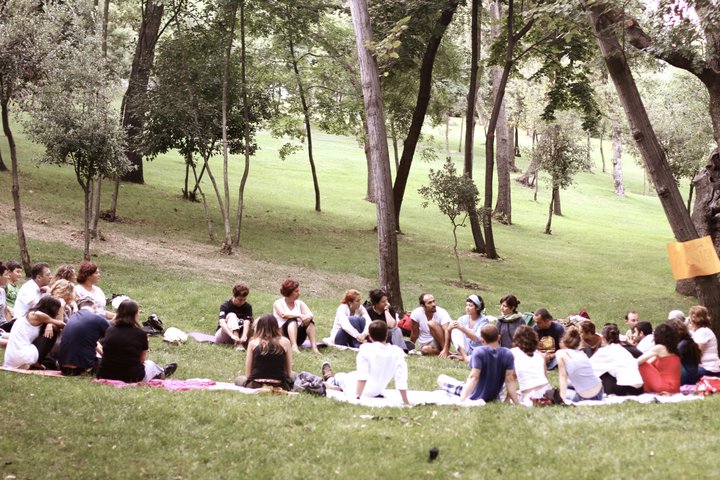
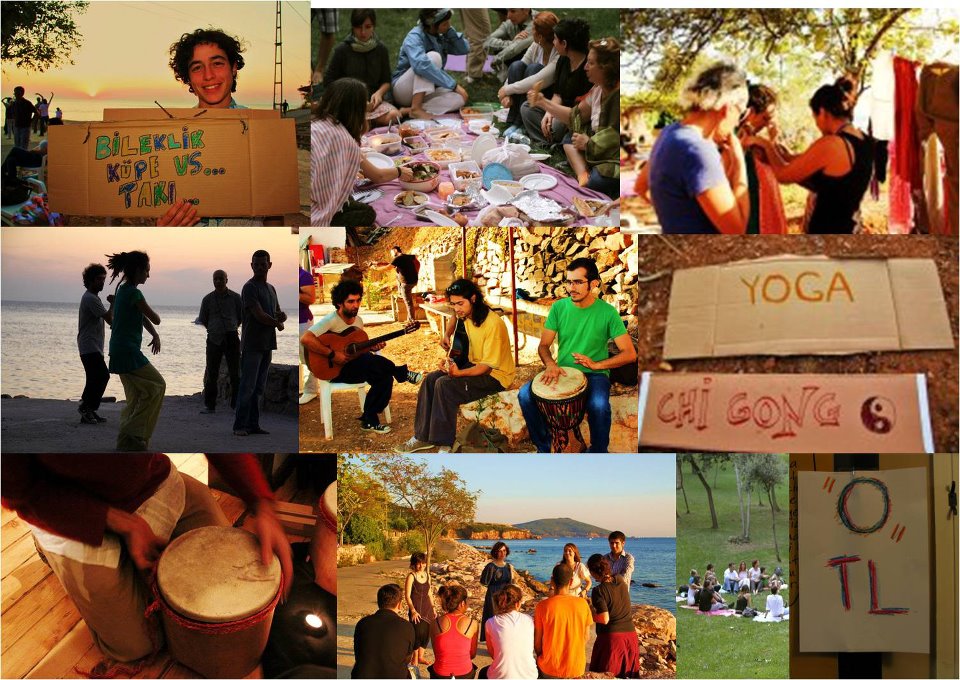
The Zumbara community evolved into a loose-knit family. Relationships were strengthened through Zumbara events, where members shared their skills, talents, knowledge, or experience. Zumbara encouraged people to question whether they needed to be money-dependent, offering a glimpse into a world where sharing and collaboration fostered self-sufficient communities. Zumbara demonstrated that “we have what we need if we use what we have” through the exchange of skills and knowledge. During monthly events, people brought homemade food, items like clothes or books, and services or expertise to share with others. Together, they formed an open bazaar, organizing yoga classes, making music, and discussing topics like film and sports. The content of each gathering was a surprise, but each event created meaningful connections.
Many were experimenting with trust-based relationships and interconnected communities. Throughout Turkey, Zumbara collaborated with community initiators working to create similar communities in cities, universities, and neighborhoods.
An advisory board, or “wisdom circle,” was formed, made up of visionary individuals worldwide to help support today’s paradigm shift. Members of the Wisdom Circle, along with their roles at the time of their membership, include;
- Billy Bicket, Sr. Director, Community-Driven Innovation, TechSoup Global
- Martin Simon, Founder, Timebanking UK
- Shilpa Jain, Executive Director, YES!
- Uygar Özesmi, Executive Director, Greenpeace Mediterranean
- Michel Bauwens, Owner, Foundation for P2P Alternatives
- Suat Özçağdaş, Founder, Social Innovation Center
- Mathew Slater, Community Currency Engineer, Community Forge
- Stephanie Rearick, Project Coordinator, Time for the World
- James Toole, Consultant, International Youth Foundation
- Filiz Telek, Social Artist, Brave New World
- Ozan Sönmez, Director, Business Development, Angel Wings Ventures Turkey
- Begüm Erenler, Zumbara.com user
- İpek Aral Kişioğlu, HR Consultant, HR Training, Speaker, Blogger
- Charles Eisenstein, Writer
Zumbara for Community and Institutional Engagement
Zumbara’s time-banking platform enabled institutions to cultivate an engaged, collaborative environment by using time as a currency for service exchanges. This innovative model encouraged community members to share their skills—such as tutoring, technical support, and creative services—fostering a culture of trust, inclusion, and mutual support. By establishing profiles and listing service needs and offerings, institutions could promote volunteerism, strengthen social ties, and drive community-led initiatives, transforming spaces into interactive hubs that prioritize social value over traditional economic transactions. Presentations here and here
Zumbara Community
Zumbara Design Working Group
The Zumbara Design Working Group gathered participants committed to enhancing Zumbara’s community presence by collaboratively developing key resources like promotional videos, time vouchers, posters, and newsletters. This group marked an essential step in formalizing Zumbara’s team and served as a model for future working groups. The session included brainstorming, action planning, and interactive ceremonies, encouraging full engagement to create tools that embody Zumbara’s vision and promote its community-driven spirit. Zumbara Vision Presentation
Zumbara Lab
The Zumbara Lab at Studio X in Istanbul was designed as an open, collaborative space where participants could explore the intersections of community, trust, and public space through the lens of time banking. Hosted at Columbia University’s urban research hub, the lab invited individuals to engage in hands-on co-creation and experimentation every Wednesday. By facilitating a space where people could actively contribute their time and ideas, the Zumbara Lab encouraged participants to reflect on how we use time, build community, and create alternative forms of exchange outside the monetary system. The lab exemplified experience design by fostering a communal environment for collaboration, learning, and action around these themes.
Zumbara Local Communities
From the perspective of experience design and facilitation for grassroots movements, Zumbara focused on building trust-based communities through relationships and shared experiences. Rather than imposing a top-down structure, Zumbara empowered individuals to organically create and foster their own local communities around time banking and shared values. The approach emphasized flexibility, creativity, and personal initiative, allowing each participant to design gatherings and interactions that suited their unique context. By offering examples of past practices and events as inspiration—not strict guidelines—Zumbara encouraged experimentation and adaptation, ensuring that each community developed authentically. The initiative also provided ongoing support through resources, online meetings, and collaborative platforms, making it a dynamic model of grassroots facilitation that nurtured local leadership and collective action.
Zumbara Events
Do a Kindness for a Stranger
I hosted a unique event inspired by the Zumbara tradition, where participants were invited to bring not only their presence but also their creativity, passions, and positive energy. The night featured a range of community-driven activities, including dance, music, theater, and storytelling, creating space for meaningful connections and the exchange of talents. With the themes of «collective creation» and «doing something kind for a stranger,» the event fostered a sense of generosity and collaboration, while the potluck-style setting further encouraged sharing and community bonding. The atmosphere was one of warmth, excitement, and shared purpose.
Open Stage
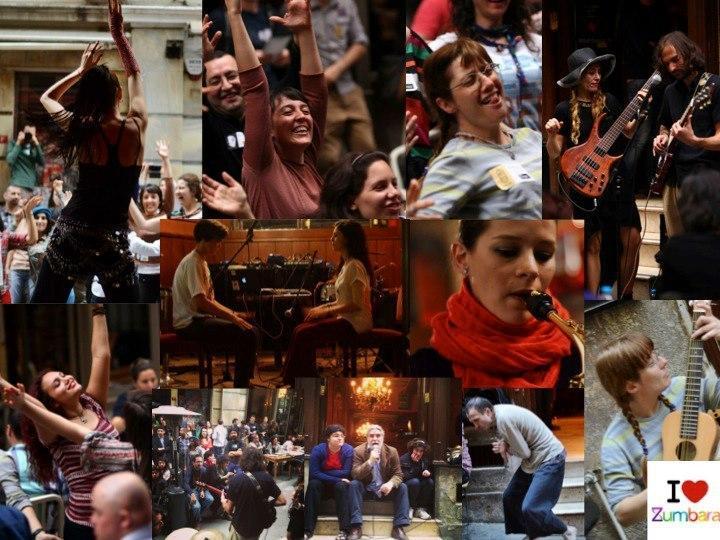
The event was an open stage gathering in Istanbul, organized by Zumbara, inviting people to share their talents and passions, not for monetary value but for the joy of self-expression. Participants were encouraged to perform or present anything they loved—whether it was singing, storytelling, poetry, or casual conversation. The event emphasized the importance of reconnecting with things we enjoy simply for the pleasure of doing them and being the «main hero» of our own life stories.
Time Center
The Time Center was a community space created to facilitate the exchange of skills, knowledge, and services without using money. Based on the Zumbara time bank concept, it served as a hub where individuals could share their talents and receive help from others in return, measured by time instead of currency. The center hosted various workshops, such as dance, music, and yoga, and encouraged spontaneous collaborations through community boards where people could offer and request services. It embodied a self-sustaining, non-monetary economy, fostering learning, cooperation, and a sense of belonging among participants. Time Center Presentation
Zumbara Festival
The Zumbara Şenliği was a community gathering designed to foster connection and sharing. Attendees brought skills, talents, or items to offer, creating a marketplace of exchange without money. Activities included music, dance, and skill-sharing stations, encouraging open-hearted collaboration and mutual support. Participants could set up their own stands, showcasing and exchanging their abilities or goods, while a communal spirit infused the event with joy and collective purpose.
Zumbara Designs


Zumbara Manifesto
